
Used Car Inspection Checklist
Guide for Confident Shopping

A smart used car purchase starts with a thorough, step by step inspection. Our used car inspection checklist shows you exactly what to look for before you sign, from frame and tires to electronics and a focused road test. Use it to compare vehicles side by side, avoid costly surprises, and feel confident whether you shop at our lot or bring a vehicle for evaluation. Explore inventory, bring this checklist to your appointment, and pair it with a vehicle history review for the most complete picture possible. You can start browsing on used-inventory, read up on how-to-check-used-car-history and used-car-vin-check-guide, or book a hands on visit with schedule-a-test-drive. Already own a car and want a professional opinion before you trade or sell it privately Use schedule-service for a multi point inspection.

This page breaks down the inspection process into simple steps you can follow in any driveway or on our lot. Print it or save it on your phone. If you want help with pricing or protection plans after your inspection, see payment-options, applications, and used-car-warranty-guide. Have a trade Bring details to value-my-trade, and reach us anytime at contact-us.
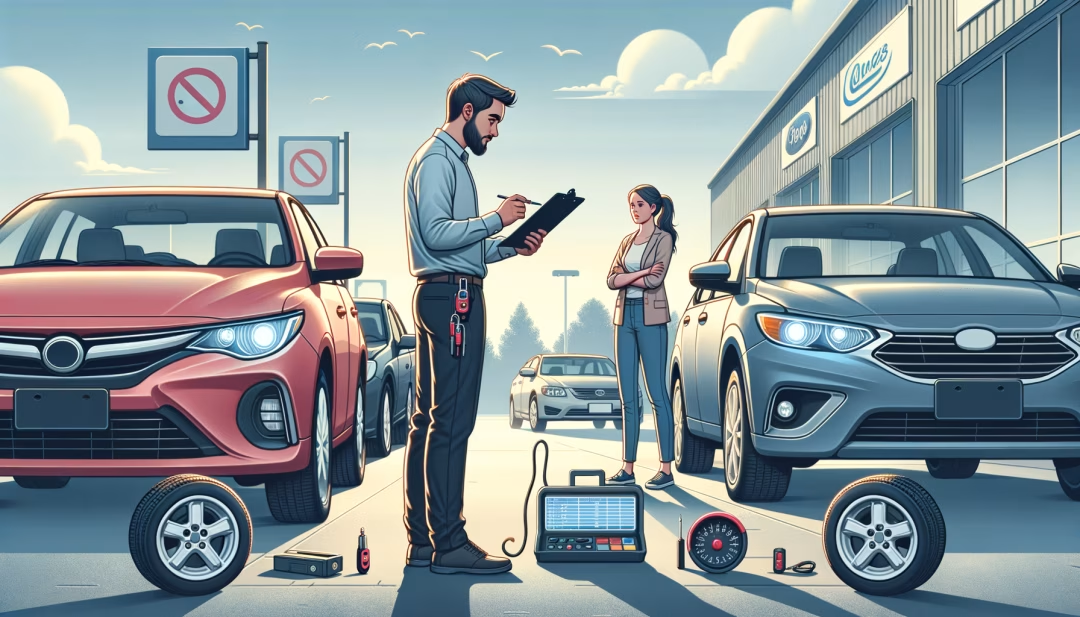
used-car-inspection-checklist

Why a Used Car Inspection Checklist Matters

A checklist keeps you focused on the facts that affect safety, reliability, and total cost of ownership. Many issues hide in plain sight, like uneven tire wear that points to suspension problems or a wet carpet that suggests water leaks. This guide covers exterior, underbody, engine bay, fluids, interior, electronics, safety systems, paperwork, and a structured road test. Use it with a vehicle history report and an OBD scan for the most complete assessment. When you are ready to compare options, visit used-inventory, research models on research-page-template, or read expert tips on blog.

Before You Go: Research and Pre Screening

Save time by pre screening vehicles online. Gather the VIN, photos, service records, and a copy of the window sticker or build sheet if available.

Exterior and Frame Walkaround

Walk the car in good daylight, starting with the body and moving to the underbody. Minor cosmetic flaws can be acceptable, but structural issues are not.

  • Panel gaps and paint tone should be even. Mismatched paint or overspray may suggest repairs.
  • Inspect bumpers, headlamps, and taillamps for cracks or clouding. Test all lights including high beams and hazards.
  • Look for rust at wheel arches, door bottoms, rocker panels, subframes, and suspension mounting points.
  • Check glass for chips and cracks. Small windshield chips can spread and may require replacement.

Tires, Wheels, and Brakes

Tires and brakes are safety critical and can reveal alignment or suspension issues.

  • Tread depth should be even across all tires. Uneven wear can indicate alignment, shock, or bushing problems.
  • Check DOT date codes. Tires older than 6 years may need replacement regardless of tread depth.
  • Look for bent wheels, curb rash, and missing lug nuts. Verify lug torque where possible.
  • Inspect brake rotors for deep grooves and excessive lip. Note any vibration on the road test.

Under the Hood: Engine Bay Basics

A clean, honest engine bay shows consistent maintenance. Pay attention to leaks, smells, and sounds.

  • Fluids: engine oil, transmission fluid if serviceable, coolant, brake, power steering if equipped, and washer fluid should be at proper levels and clean.
  • Belts and hoses: no cracks, frays, bulges, or soft spots. Check for coolant crust around hose clamps.
  • Battery: minimal corrosion at terminals, secure mounting, recent date sticker is a plus.
  • Leaks: inspect valve cover, oil pan, front and rear main areas, transmission case, and power steering rack.

Cabin, Safety, and Electronics

Inside the vehicle, comfort and safety tech should work flawlessly. Malfunctions can be expensive to track down.

  • Seats, belts, airbags: ensure all belts retract and latch. Confirm airbag light goes off after start.
  • HVAC: test heat, A C, fan speeds, and modes. Listen for compressor cycling issues.
  • Infotainment: screen, Bluetooth, phone pairing, speakers, and backup camera if equipped. Test all ports and charging.
  • Windows, locks, mirrors, sunroof, power seats. Verify key fobs work and there are two keys if promised.

Road Test Checklist

Drive at neighborhood and highway speeds. Use a route with smooth pavement and some rough surfaces if possible.

  • Engine: should start quickly, idle smoothly, and pull strongly without misfire or hesitation.
  • Transmission: automatic shifts should be smooth and timely. Manual should engage gears without grinding, clutch bite near middle of travel.
  • Steering and suspension: car should track straight with hands lightly on the wheel. Listen for clunks over bumps and feel for excessive float or bounce.
  • Brakes: strong, straight stops with no pulling, squeal, or pulsation. Confirm parking brake holds.
  • Noises and smells: no burning odors, sweet coolant smell, or fuel smell after driving.

After the Drive: Scan, History, and Recalls

Finish with a diagnostic scan, paperwork review, and a final underbody peek. If you prefer a pro inspection, book schedule-service.

Paperwork, Pricing, and Protection

A clean title, clear fee breakdown, and a plan for ownership costs make the difference between a great deal and regret. If you want a starting point on budgeting or rate expectations, browse how-does-used-car-financing-work, used-car-loan-interest-rates, and how-much-down-payment-for-used-car.

When to Walk Away

Walk away if you find structural rust or damage, flooding signs like moisture under carpets or rust on seat rails, severe oil or coolant leaks, transmission slipping, inconsistent seller stories, or if the seller refuses a third party inspection. There are always more choices on used-inventory and real world comparisons on pages like best-used-cars-with-low-maintenance-costs, used-cars-with-best-resale-value, and safest-used-suvs.

Not Comfortable Inspecting Alone

Many buyers prefer a certified mechanic inspection for peace of mind, especially on luxury, hybrid, and electric models. Book schedule-service for a thorough check. If you are still comparing categories, explore best-used-suvs, best-used-sedans, best-used-trucks, or see budget focused lists like best-used-cars-under-15000 and best-used-electric-cars-under-25000. When you have narrowed it down, lock in your visit on schedule-a-test-drive or message us via contact-us.

Printable Used Car Inspection Checklist

Use this condensed version on site, then bring your notes to compare vehicles later.

  • Exterior and glass even paint tone, panel alignment, no major rust, all lights work, no deep cracks or chips.
  • Tires and wheels even tread, recent date codes, no bulges, no bent wheels, all lugs present.
  • Under hood clean fluids, no leaks, healthy belts and hoses, clean battery terminals, stable idle.
  • Interior and safety belts lock and retract, airbag light cycles off, HVAC and infotainment work, two keys if promised.
  • Road test smooth shifts, straight braking and tracking, no clunks, no burning smells, no warning lights.
  • Diagnostics and history clean scan, verified service records, no open safety recalls, clear title.

Related Resources

Used Car Inspection Checklist FAQs

A flashlight, paper towel for fluids, small magnet for body panels, tire tread gauge, OBD scanner if you have one, and your phone for photos and notes. Our service team can provide a full inspection if you schedule schedule-service.

Plan for 45 to 60 minutes, including a 15 to 20 minute drive at both city and highway speeds. Add time for an OBD scan and photos. If you want to compare more than one vehicle, book schedule-a-test-drive.

Yes. Even clean cars can hide intermittent codes, worn bushings, or small leaks. A third party or dealer inspection adds confidence and negotiating clarity. Book schedule-service for a bumper to bumper review.

Frame damage, flood indicators like rust on seat rails, strong coolant or fuel smells, transmission slipping, and sellers who refuse a history report or inspection. You can always find alternatives on used-inventory.

Protection plans can offset risk if they cover the systems most likely to fail for your model and mileage. Read details on used-car-warranty-guide and extended-warranty-for-used-cars, and confirm terms, deductibles, and transferability.

For more shopping help, visit how-to-buy-a-used-car, explore best-used-cars-with-good-gas-mileage, or see used-cars-with-best-resale-value. We are here to help you choose the right car with the least stress. Learn who we are on about-us and stay informed on blog.